Introductions
The order, the names, the pronunciations, the entrance songs, and what happens the second everyone's in — all locked before I ask a single person to walk through that door.

Chicago wedding reception DJ and MC
I run the formal moments and mix the open floor live — with a real plan built before the wedding and enough freedom on the night to actually respond to your room instead of pressing play and hoping.
The floor is being won during dinner
Guests clock everything in the first half without realizing it — whether they can hear the announcements, whether the toasts start cleanly, whether dinner rolls into dancing or just kind of trails off. When that stretch feels scattered, a great dance floor becomes a much harder sell later.
So I spend that time working the schedule, reading the room, and setting up the next handoff. By the time I open the floor, there's no ambiguity: the formal stuff is done, and it's officially a party. Nobody's standing around wondering if they're allowed to dance yet.
Build a timeline that breathes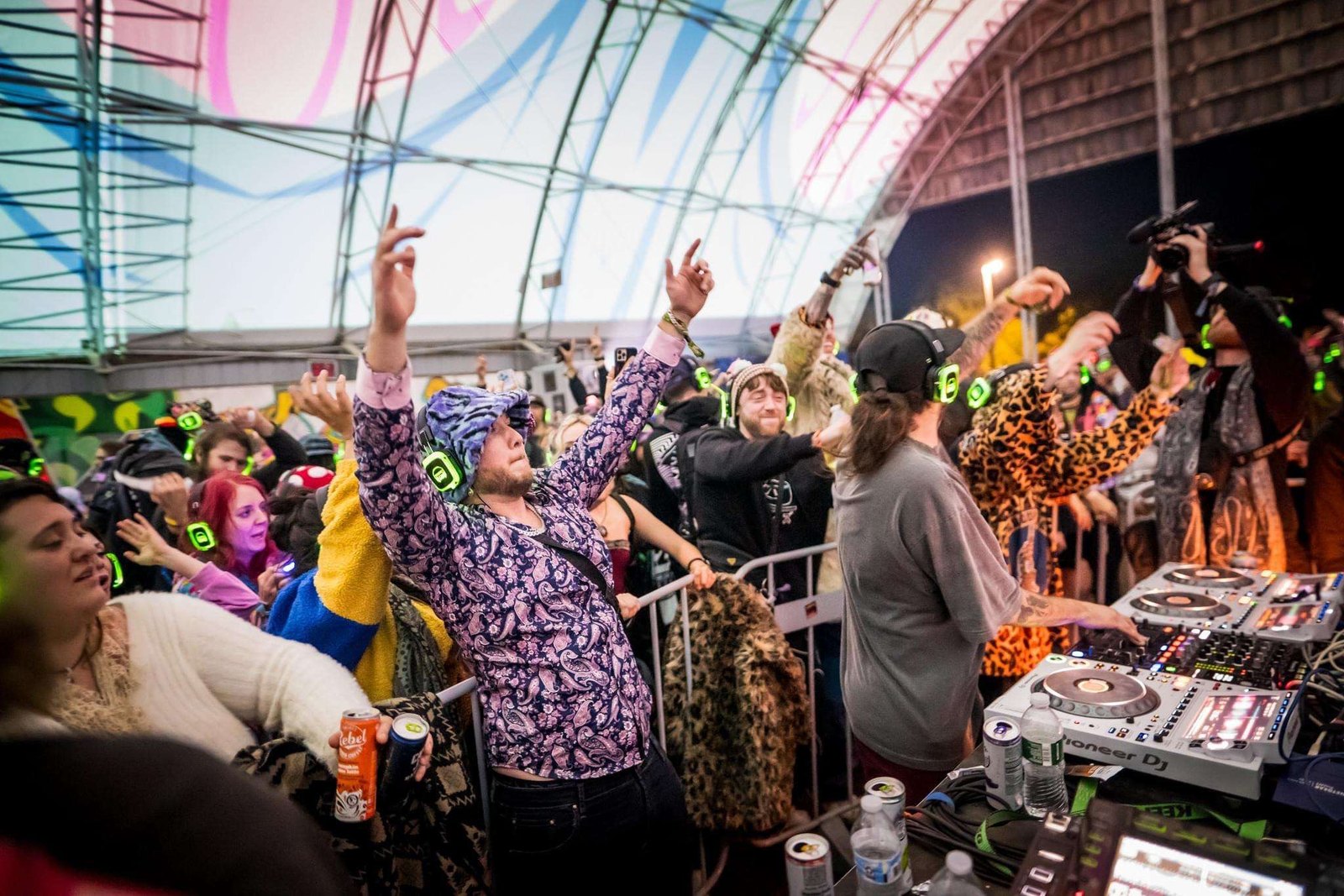
The moments that quietly make or break a reception
The order, the names, the pronunciations, the entrance songs, and what happens the second everyone's in — all locked before I ask a single person to walk through that door.
The mic's on and in the right hand, the room is actually listening, and your best man isn't fighting servers clearing plates or a wall of dead air.
Exact versions and the length you want — full song, shortened edit, two dances combined, the "everyone join in" invite at the end. Written down, not improvised.
That first open-dance song has one job: make it unmistakable the party's on. No polite gap where guests glance around waiting for permission.
Your rules win, always. Requests get welcomed, filtered, capped, or turned away — based on your plan and whether it fits the room in that moment.
A planned ending gives your reception a real finish. The alternative is the music just… stopping, and everyone realizing it's over. We can do better than that.
Live mixing
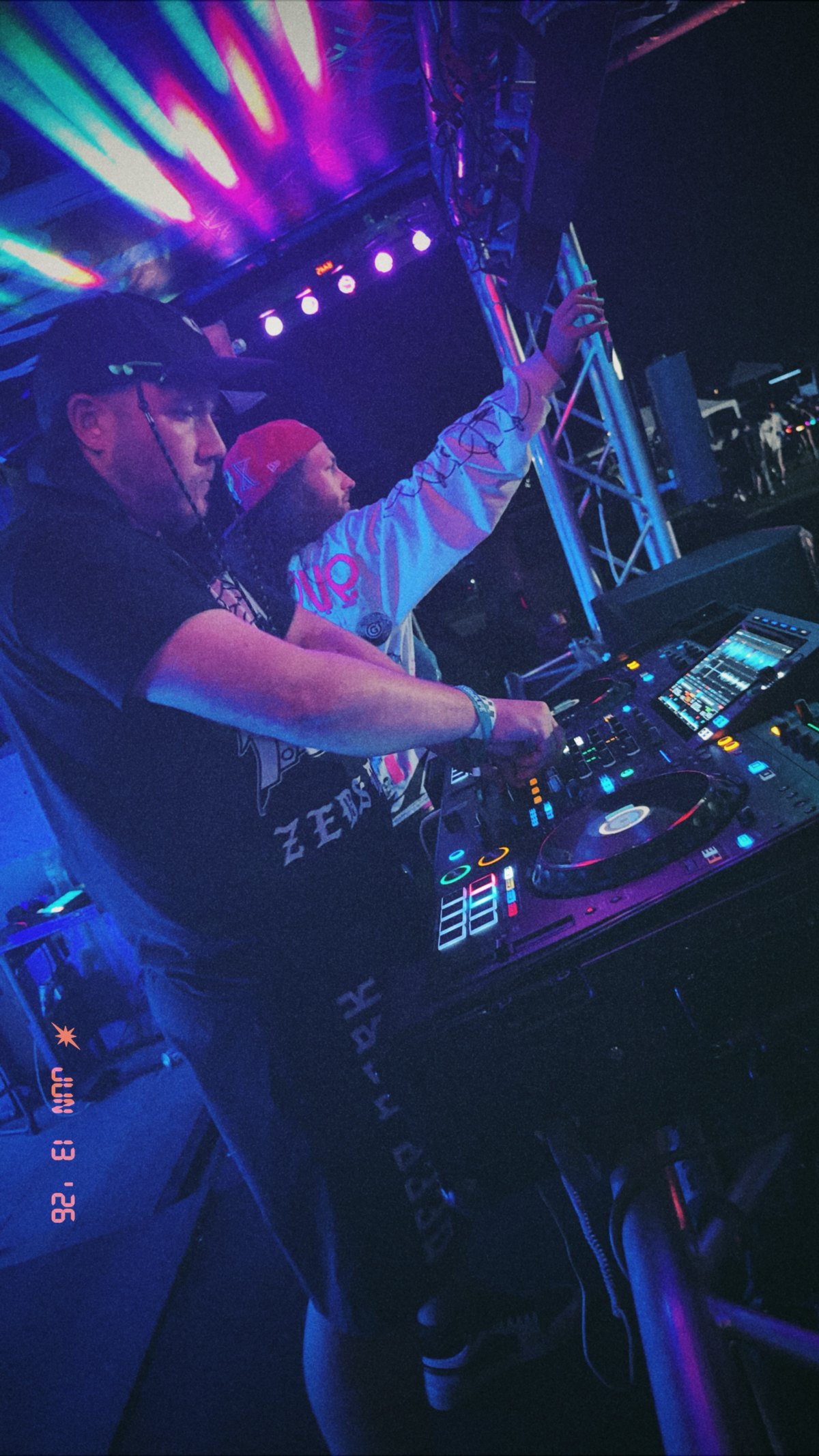
Almost every wedding packs a few generations, a handful of friend groups, and wildly different tastes into one room. The whole trick is connecting them so it never sounds like someone hit shuffle.
I'm listening for the thread between songs — a tempo, a sample, a shared era, an artist, an energy — so the floor can swing from hip-hop to Motown to house without a jarring hard reset that sends people back to their seats.
If a song's got the room, I let it ride. If the floor's ready to turn, I've already got the next move cued and I make it before the energy dips.
Build your music notesMC style
You decide, before the wedding, how much of me you want on the mic. My default setting is direct: grab the room's attention, say the names right, tell everyone what's next, and hand the moment back.
What you won't get: a fake radio voice, surprise games, or your quiet guests dragged into the spotlight — unless that's something you specifically asked for.
Tell me ahead of time
There's no one right MC style — there's only the one that fits your wedding.
Plan the reception
DJ DHow will reply with availability and next steps.